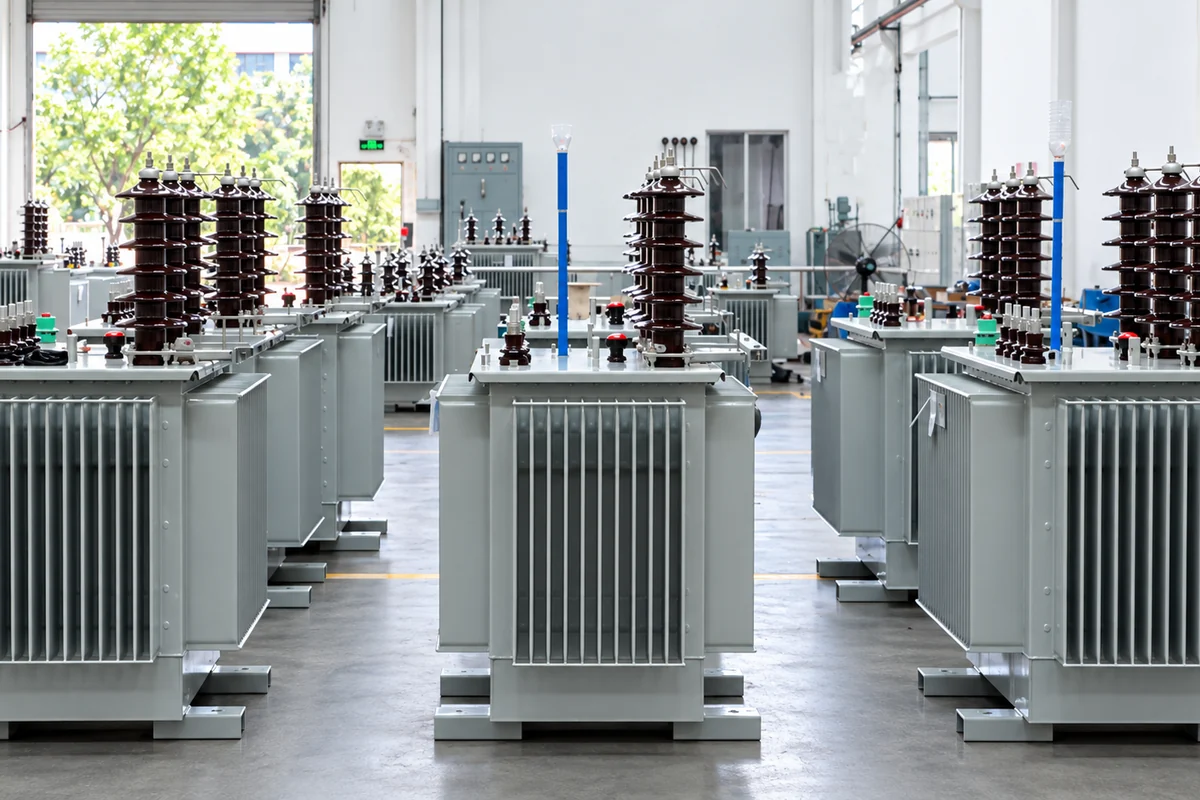
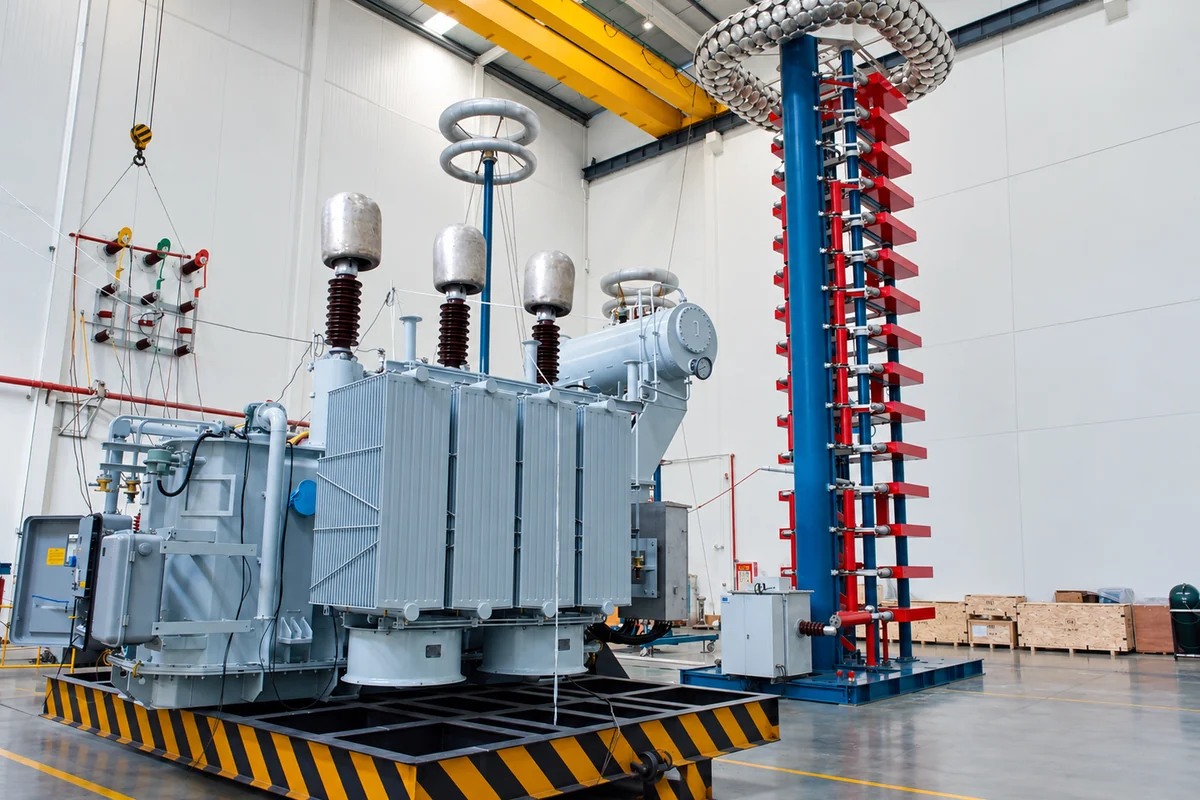
Products
HKXR POWER

Transmission and subtransmission substations • Grid reinforcement • Generation and renewable interconnection • Large industrial projects

Power Transformers

Power transformer solutions for substations, industry and project-specific high-capacity systems.

Rated capacity6.3–900 MVA
Primary voltage66 / 110 / 132 / 220 kV
PhasesThree-phase
ApplicationsTransmission and subtransmission substations / Grid reinforcement

Factory capacity: up to 300 MVA at 110 kV and 900 MVA at 220 kV. Detailed catalogue tables cover 6.3–63 MVA at 110 kV and 50–360 MVA at 220 kV. Three-winding models also list 35 / 38.5 / 69 / 121 / 138 kV intermediate windings.

Power Transformers

01 Technical data

Factory product specifications

Factory capacity: up to 300 MVA at 110 kV and 900 MVA at 220 kV. Detailed catalogue tables cover 6.3–63 MVA at 110 kV and 50–360 MVA at 220 kV. Three-winding models also list 35 / 38.5 / 69 / 121 / 138 kV intermediate windings.

Product type
Power Transformers
Rated capacity
6.3–900 MVA
Primary voltage
66 / 110 / 132 / 220 kV
Secondary voltage
6.3 / 6.6 / 10.5 / 11 / 13.8 / 15.75 kV
Product series
SS / SF / SSZ / SFSZ
Phases
Three-phase
Winding configuration
Two-winding / Three-winding
Tap changing
Off-circuit / On-load

02 Application engineering

Applications

Power transformer solutions for substations, industry and project-specific high-capacity systems.

01

Transmission and sub-transmission substations

Main step-down and step-up transformers in high-voltage substations, forming the link between transmission and distribution levels. Design is project-specific, based on the grid study, short-circuit levels, regulation needs and the network operator’s technical requirements.

02

Large infrastructure and industrial complexes

Substations for ports, rail or metro systems, desalination, data center campuses and large industrial complexes. Delivery planning includes transport limits, site access and installation sequence alongside the electrical design.

03

Renewable energy interconnection

Step-up transformers connecting solar, wind and storage plants to the grid, often in remote areas with variable output. Specifications address harmonics, cyclic loading, tap changing and the grid operator connection requirements.

Where to apply

  • Transmission substations
  • Sub-transmission substations
  • Large infrastructure
  • Renewable energy interconnection
  • Mining operations
  • Grid reinforcement

03 Define your configuration

Configure your transformer

Select capacity, voltage and phases using the manufacturer catalogue values as references, or enter your requirements under Other. The manufacturer must confirm the proposed combination.

Rated capacity

Primary voltage

Secondary voltage

Phases

Additional options

Vector group

Short-circuit impedance

Winding configuration

Tap changing

04 Construction and options

Technical resources and options

Typical configuration

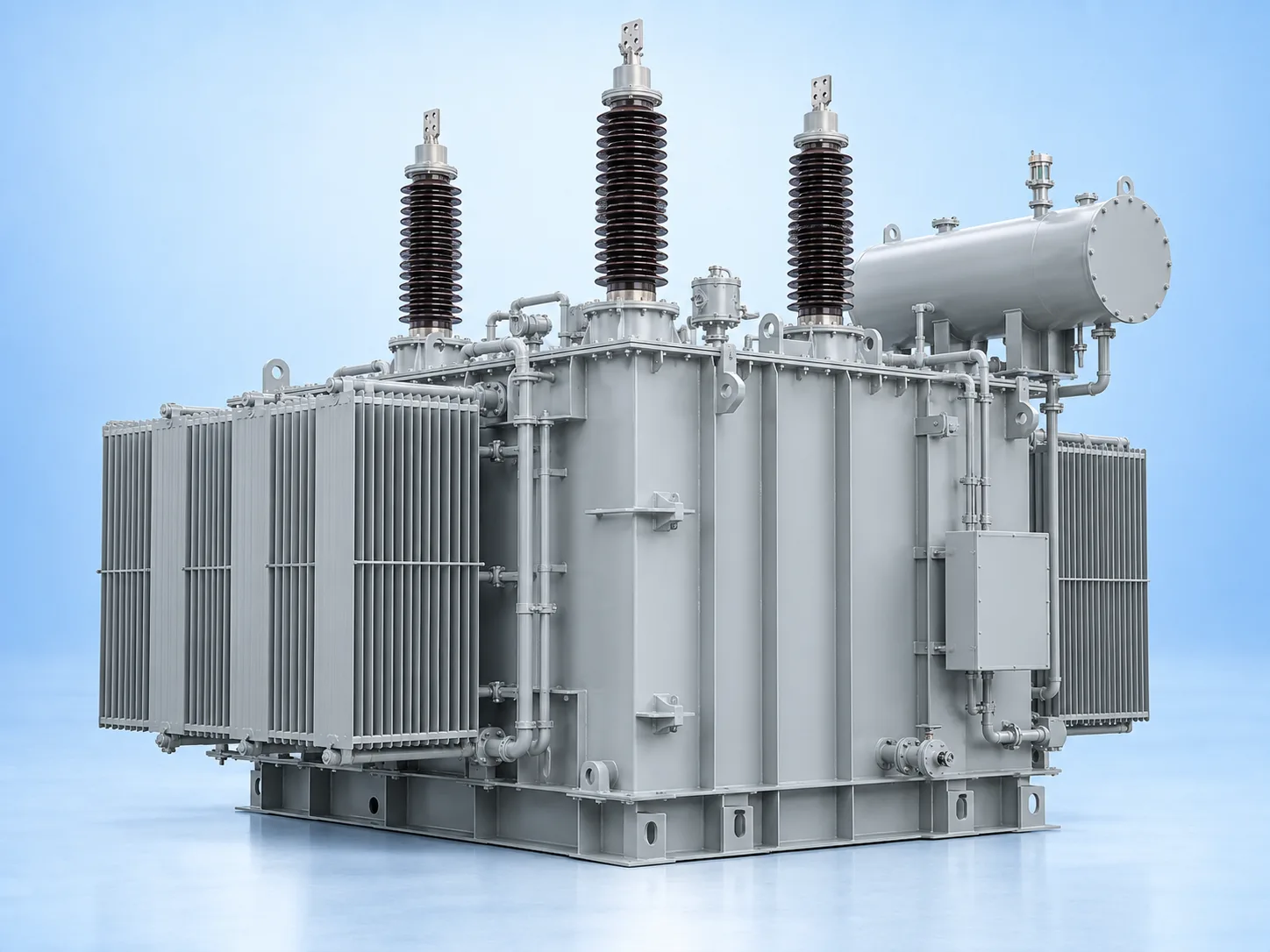
Oil-immersed core-and-coil active part in a welded steel tank with radiators, mechanically designed for short-circuit withstand and transport limits.

Available option

Winding configuration and cooling: two- or three-winding designs; ONAN radiators as base, with ONAF fan-assisted cooling (and forced oil cooling at higher ratings) specified when extra loading capability is needed.

Available option

Tap changing: off-circuit tap changer or on-load tap changer (OLTC) with motor drive and control panel, chosen by voltage-regulation need; OLTC type and location are confirmed per project.

Available option

Bushings and connections: oil-to-air porcelain or composite bushings, bushing current transformers, and cable-box or GIS interfaces where required, with creepage distance matched to site pollution.

Available option

Protection accessories: Buchholz relay, pressure-relief device, oil and winding temperature indicators, oil-level gauge and a marshalling cabinet with alarm and trip contacts, per the applicable project technical specification.

Project engineering

Condition monitoring: online dissolved gas analysis (DGA), fiber-optic winding hot-spot measurement, bushing monitoring and SCADA interfaces can be specified by rating and monitoring philosophy; scope is confirmed at project level.

Project engineering

Transport, installation and environment for variable outdoor exposure such as UV, rain, wind and coastal or industrial atmosphere depending on the site: shipping dimensions and mass, on-site assembly, seismic and altitude requirements and special coatings are engineered per project.

05 Applicable standards and requirements

Standards & engineering

Project standards and certification
Generic international market; standards and certification must be selected from the actual destination and project.
Network and utility requirements
Configuration subject to utility and engineering review.
Technical parameters
Factory capacity: up to 300 MVA at 110 kV and 900 MVA at 220 kV. Detailed catalogue tables cover 6.3–63 MVA at 110 kV and 50–360 MVA at 220 kV. Three-winding models also list 35 / 38.5 / 69 / 121 / 138 kV intermediate windings.
Tap changing
Off-circuit / On-load
Request compliance and engineering documents

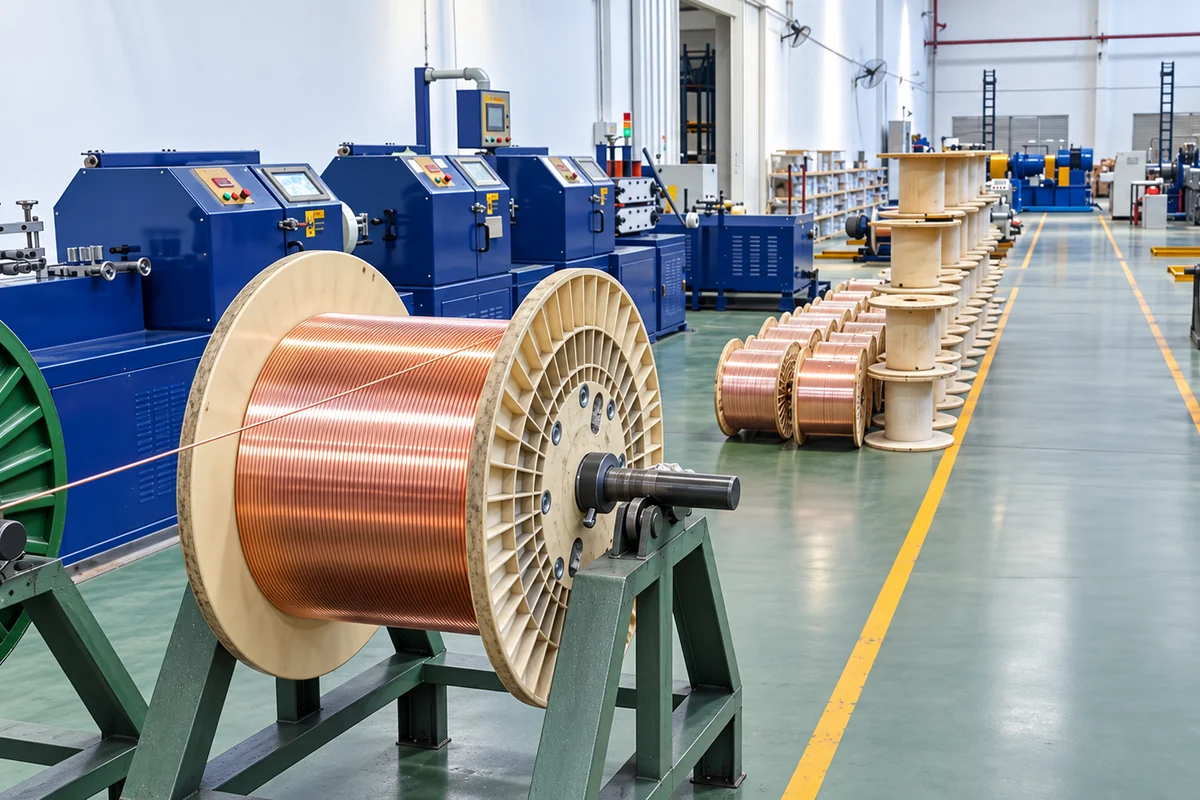
06 Manufacturing process

From production to testing

Production — Power Transformers
01Production
Assembly — Power Transformers
02Assembly
Testing — Power Transformers
03Testing

Downloads & support

Technical documents

HKXR POWER Technical Selection Guide

Guide for initial technical selection of distribution, power, dry-type, pole-mounted and pad-mounted transformers.

Unlock download

Complete your details to download the HKXR POWER Technical Selection Guide.

07 Decision support

Frequently asked questions

When should Power Transformers be selected instead of Oil-Immersed Transformers?

Choose Power Transformers when the main duties are Transmission substations and Sub-transmission substations; compare Oil-Immersed Transformers when Utility distribution networks and Distribution substations better match the site. Final selection depends on the installation environment, network topology, fire or oil-containment requirements, rating and project specification.

How should the main configuration options for Power Transformers be selected?

Key choices include ONAN/ONAF cooling stages, tap changer / OLTC and monitoring and protection. Select them according to the load profile, connection arrangement, installation environment, protection philosophy and utility/EPC specification; items shown as options or project engineering are not automatic standard equipment.

What installation conditions should be confirmed for Power Transformers projects?

Confirm ambient temperature, altitude, humidity, dust or corrosion exposure, indoor/outdoor location, ventilation, access and maintenance clearances. For applications such as Transmission substations, Sub-transmission substations and Large infrastructure, cooling, enclosure or insulation and protection should be reviewed during engineering rather than assuming one environmental class for every project.

Which standards and utility/project requirements should be confirmed?

Generic international market; standards and certification must be selected from the actual destination and project. Final losses, temperature rise, impedance, taps, accessories, tests and documentation must be checked against the applicable project specification; this page does not imply automatic approval by any authority.

What tests, drawings and documents should be agreed before the purchase order?

Confirm the applicable routine tests, general arrangement drawings, electrical datasheet, accessory list and inspection/test documents before manufacturing. Type or special tests, witnessing and additional reports should be specified when the project requires them. For Power Transformers, also confirm site-specific environmental and installation engineering.

What information does HKXR need to prepare a technical quotation?

Provide at least Rated capacity, Primary voltage, Secondary voltage, Phases, the selected ONAN/ONAF cooling stages / tap changer / OLTC options, installation conditions and the applicable project or utility specification. If available, attach the SLD, datasheet or tender specification so the configuration can be reviewed before quotation.
Let’s discuss your project

Request a quote

Review your configuration and continue via WhatsApp.

Alternative contact

WhatsApp

Selected configuration

Select the main project parameters.

Edit configuration

Attach the technical data sheet, single-line diagram, photos or project documents. Send the file manually via WhatsApp.

Send by email

We use the details you submit to respond to this enquiry. Privacy.